Yoga for Fitness Enthusiasts: Why Strength Needs Flexibility.
Coach Fifi | JUL 22, 2026
yoga
flexibility
Coach Fifi | JUL 22, 2026
Reading Time: 5 Minutes
You are active, strong, and committed. You might be lifting weights, running, or hitting the gym four to six times a week. You treat your training with discipline, tracking your macros and your personal bests.
But let’s be honest: putting on your socks shouldn’t feel like a workout.
If you find yourself feeling stiff, achy, or restricted in your movement, you are not alone. Many dedicated athletes search for “yoga classes near me” not because they want to stop lifting, but because they realize that pushing their bodies without taking time to release tension isn't sustainable.
At New Moon Yoga, we work with many fitness enthusiasts who have come to a crucial realization: true health requires a balance of strength and mobility.
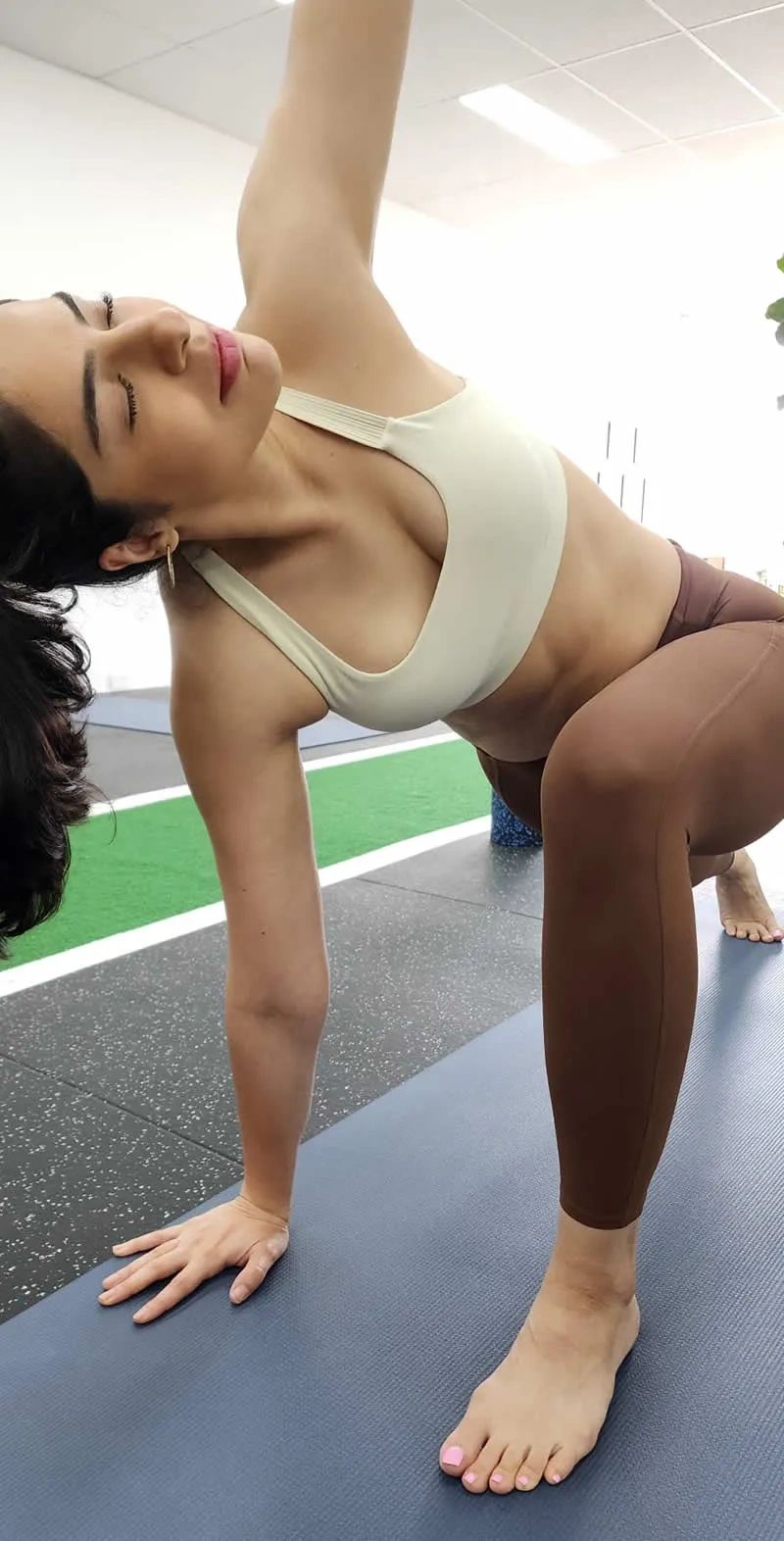
There is a common misconception that yoga will make you weak or kill your gains. In reality, the opposite is true.
When you lift weights or perform repetitive motions like running, your muscles contract and shorten. This is how strength is built. However, if you never lengthen those muscles back out, they stay short and tight.
Over time, this tightness sneaks up on you.
Compressed Joints: Shortened muscles pull on your tendons and joints, leading to chronic aches, particularly in the lower back and knees.
Decreased Mobility: You might be strong, but your range of motion shrinks.
Plateauing: Surprisingly, tightness can limit your strength potential. For example, tight hips can prevent you from reaching full depth in a squat, limiting muscle engagement.
A study by secondary researchers in sports medicine highlights that combining flexibility training with resistance training significantly improves joint range of motion without compromising muscle strength (Simão et al., 2011).
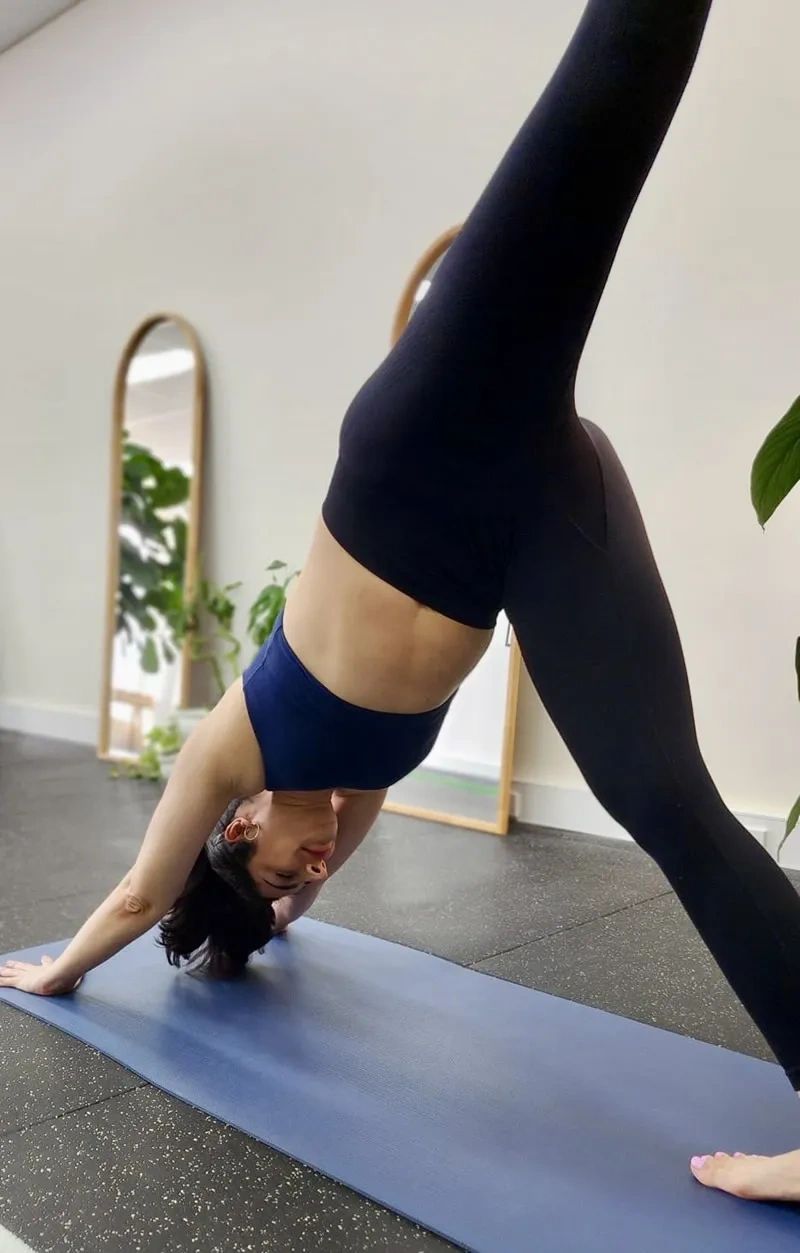
We aren’t asking you to replace your gym sessions; we want to make them better.
Think of yoga as active recovery. Unlike passive rest (sitting on the couch), yoga flushes oxygenated blood into the muscles, helping to clear lactic acid and reduce delayed onset muscle soreness (DOMS).
At New Moon Yoga studio, our approach isn’t about chanting or twisting yourself into a pretzel. It is about functional restoration.
Regain Flexibility: We focus on undoing the shortening effect of your workouts, lengthening the hamstrings, hip flexors, and chest.
Improve Posture: For those who bench press often, the “gym hunch” (rounded shoulders) is common. Yoga opens the chest and realigns the spine.
Nervous System Reset: Intense training puts the body in a sympathetic (stress) state. Yoga activates the parasympathetic system, which is where muscle repair and growth actually happen.
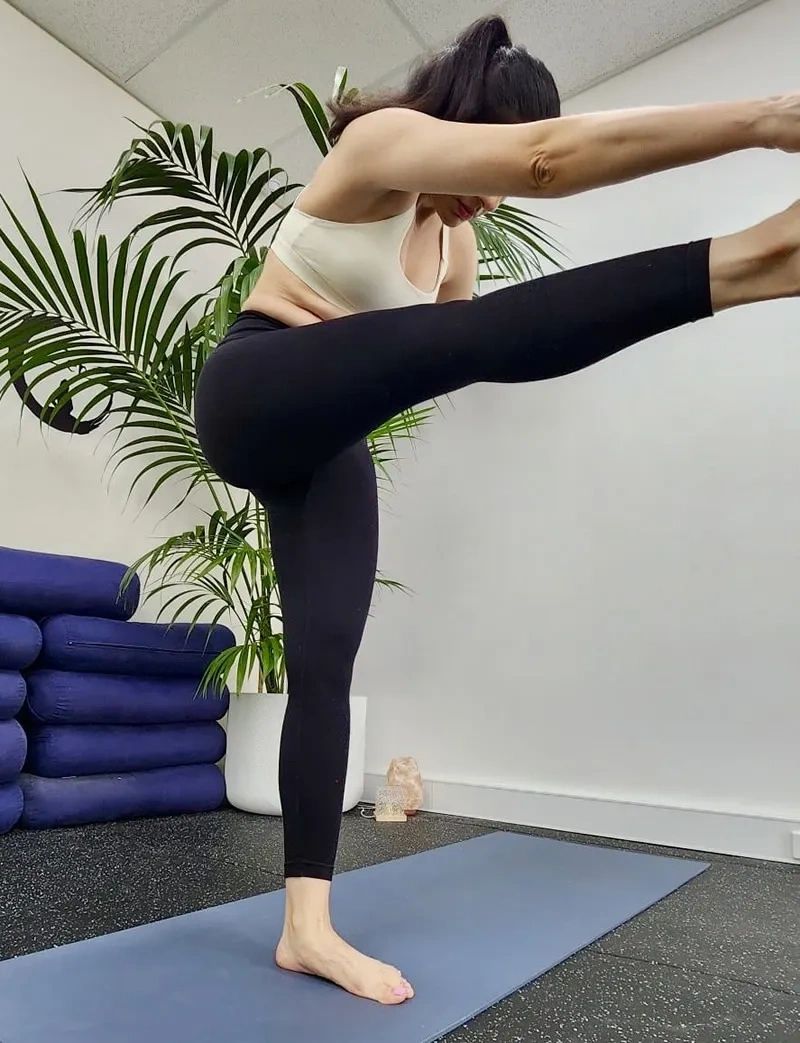
Fitness enthusiasts often have a high pain tolerance and a push-through-it mentality. In yoga, this can be dangerous. Trying to muscle through a stretch can lead to tears or strain.
This is why the environment at New Moon Yoga Kew East is so effective for athletes. Our classes are semi-private, meaning we can keep a close eye on your alignment.
We guide you into poses with precision, ensuring that you are stretching the muscle belly rather than hanging on your joints. This attention to detail is critical for what we call “functional longevity”, keeping your body resilient enough to keep training well into your 40s, 50s, and beyond.
Research supports this integrated approach; regular yoga practice has been shown to improve muscular endurance and flexibility, which directly supports performance in other athletic disciplines (Polsgrove et al., 2016).
You work hard for your strength. Don’t let stiffness rob you of your ability to use it.
Yoga ensures your body works smarter, transforming a stiff, restricted machine into a mobile, resilient one. It is the maintenance work that keeps the engine running smoothly.
Ready to improve your lifts and your recovery? Book a class with us today and feel the difference.
Polsgrove, M.J., Eggleston, B.M. and Lockyer, R.J. (2016) 'Impact of 10-weeks of yoga practice on flexibility and balance of college athletes', International Journal of Yoga, 9(1), pp. 27-34.
Simão, R., Lemos, A., Salles, B., Leite, T., Oliveira, É., Rhea, M. and Reis, V.M. (2011) 'The influence of strength, flexibility, and simultaneous training on flexibility and strength gains', Journal of Strength and Conditioning Research, 25(5), pp. 1333-1338.
Coach Fifi | JUL 22, 2026
Share this blog post